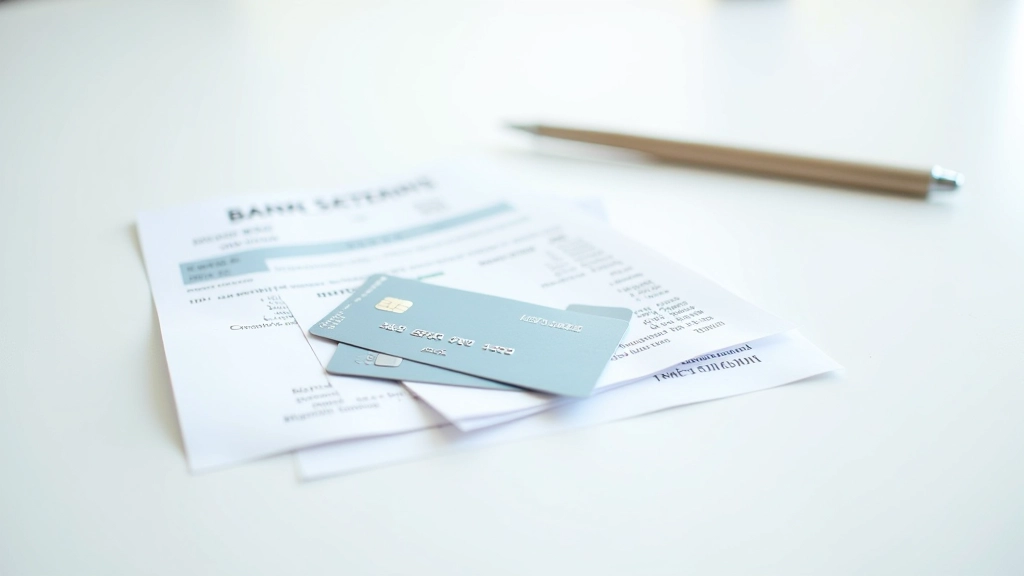

Hidden costs aren’t always intentional deception. Sometimes they’re just poorly explained fees buried in fine print. Other times, they’re designed to be hard to notice. Either way, they’re costing you money — often without you realizing it.
The good news? Once you know what to look for, spotting hidden costs becomes much easier. You’ll start seeing patterns in how companies structure their pricing, and you’ll catch things before committing to them.
Where Hidden Costs Actually Hide
Hidden fees show up in predictable places once you know where to look. Mobile phone contracts are notorious for this — you’ll see an advertised price of HK$199 per month, but the final bill arrives at HK$245 because of activation fees, service charges, and regulatory levies. None of these were mentioned in the big promotional text.
Bank accounts do the same thing. A “free” checking account sounds good until you discover monthly maintenance fees (HK$50-100), ATM withdrawal charges (HK$5-10 per transaction), and overdraft penalties (HK$200+). The account itself is free. Everything else costs money.
Subscription services are particularly sneaky because they’re designed to feel painless. You sign up for a 30-day free trial of a streaming service or productivity app. It’s free, so why not? Then the trial ends and the charges start — HK$79 per month. The company counts on you forgetting about the subscription and not bothering to cancel.
The Pattern: Look at three places — the fine print, the checkout summary, and your first actual bill. Hidden costs are usually mentioned once, in the smallest font possible, in the most confusing location.


Reading the Fine Print (Without Losing Your Mind)
Fine print exists for legal reasons, but it’s also where companies hide costs. The trick isn’t to read every single word of a 50-page contract — it’s to know what sections actually matter.
Start with these three things: Look for any section labeled “Fees,” “Charges,” or “Terms.” Search for the word “annual” — companies often hide yearly charges in fine print while advertising monthly prices. Finally, check for anything that says “subject to change” — this means the company can raise prices whenever they want without notifying you first.
For contracts you’re considering, write down the main price, then ask three specific questions: “Are there any setup or activation fees?” “What happens if I cancel early?” “Can the price change, and if so, how much notice do I get?” If the person explaining it can’t answer clearly, that’s your warning sign.
Informational Note
This article provides educational information about recognizing hidden costs in consumer transactions. It’s not personalized financial advice. Always review your own contracts and agreements carefully, ask your service provider directly about any unclear fees, and consider consulting with a financial advisor if you’re making significant financial decisions.
Common Hidden Costs by Category
Different industries hide costs in different ways. Knowing the patterns helps you spot them faster.
Telecommunications
Activation fees, SIM card charges, regulatory levies, equipment charges, early termination penalties. Some providers charge HK$100-300 just to set up your account.
Banking & Financial Services
Monthly maintenance fees, minimum balance requirements, wire transfer fees (HK$50-150 per transfer), overdraft charges, ATM fees at non-partner banks.
Online Shopping
Processing fees, payment gateway charges, shipping that changes based on weight or destination, return shipping costs, restocking fees (10-20% of purchase price).
Subscriptions & Memberships
Auto-renewal charges after free trials, price increases buried in renewal notifications, cancellation fees (some apps charge HK$50+ to cancel), locked-in annual rates.


Your Practical Defense System
Fighting hidden costs doesn’t require becoming a legal expert. It’s about building simple habits that catch problems early.
Track everything for one month. Write down every subscription, every service, every recurring charge. You’ll probably discover charges you forgot about — old gym memberships, free trial conversions you didn’t realize happened, duplicate services. Just this exercise usually saves people HK$500-1,000 per year.
Before you sign anything, ask three questions. Don’t be shy about it. Ask for the total cost (not the monthly rate), ask if there are any additional charges not mentioned, and ask what happens if you need to cancel. Write down the answers. This takes 2 minutes and often reveals hidden costs on the spot.
Set calendar reminders for contract renewal dates. Mark when your phone contract ends, when your insurance renews, when your subscription renews. A week before the date, review the terms again. Companies often change pricing right before renewal, and you want to notice before it auto-renews at a higher rate.
Compare the final bill to what was promised. When your first bill arrives, compare it line-by-line to the agreement. If anything is different, call and ask about it immediately. Many overcharges happen by mistake and get fixed quickly if you catch them early.
The Real Cost of Ignoring Hidden Fees
It’s easy to dismiss a few hidden charges as “just part of doing business.” But they add up quickly. A HK$50 monthly bank fee is HK$600 per year. An HK$20 ATM charge once a week is HK$1,040 per year. Three forgotten subscriptions at HK$79 each is HK$2,844 per year. Suddenly you’re losing thousands of dollars annually to costs you didn’t even know you were paying.
The companies counting on you to ignore these charges are banking on human nature — we’re busy, we don’t want to spend time reading contracts, and small charges feel negligible. But you’re smarter than that. You know where they hide now. Use that knowledge.
Start with just one thing this week: Check one of your regular bills or contracts and look for fees you didn’t know about. Spot anything? Good. That’s the beginning of protecting your money. Keep doing that, and hidden costs stop being a hidden problem.