
ESSENTIAL NOTICE — PLEASE READ IN FULL: This website provides educational material and general information about money management and financial literacy in Hong Kong. None of the content constitutes professional financial advice, investment guidance, or personalised recommendations for your circumstances. Always consult a qualified financial advisor or licensed professional before making any financial decisions. Your situation is unique, and professional guidance tailored to your needs is essential.
MoneyWise HK Logo MoneyWise HK Contact Us
Contact Us

Banking Fundamentals Everyone Should Know

From savings accounts to interest rates — what you actually need to understand about how banks work in Hong Kong.

8 min read Beginner April 2026
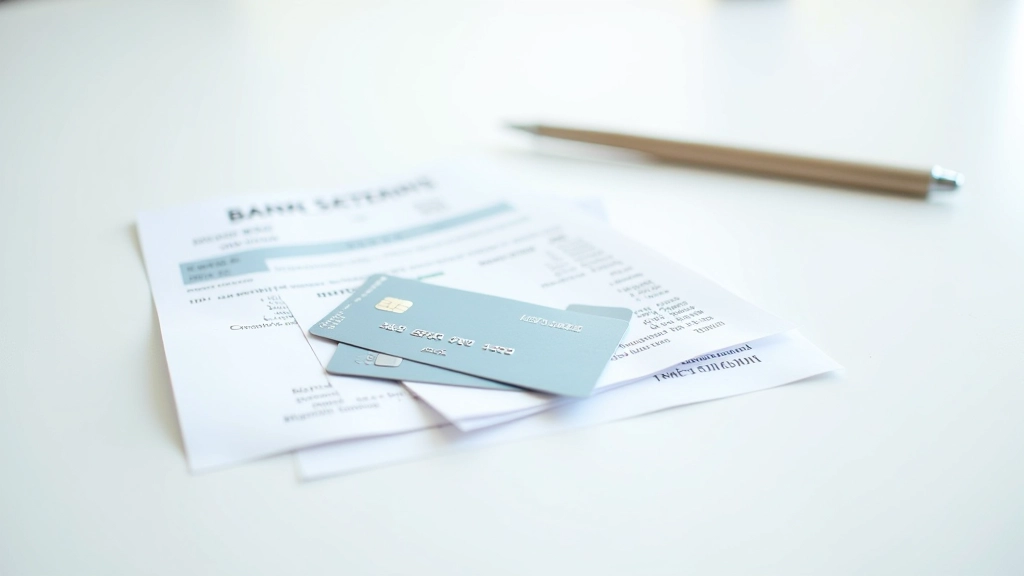
Bank statement and debit card arranged on white surface with pen and calculator

Why Banking Basics Matter

Banking isn’t complicated once you understand the core concepts. Most people interact with banks daily — checking balances, depositing cheques, paying bills — yet many don’t really know how these systems work behind the scenes. That knowledge gap can cost you real money.

Whether you’re opening your first account or managing multiple ones, getting these fundamentals right sets you up for better financial decisions. You’ll understand how interest works, why different accounts exist, and what banks actually do with your money. This guide covers what you actually need to know, not the jargon banks use to confuse people.

Professional financial advisor at modern office desk with laptop and documents, explaining banking concepts to client

What Banks Actually Do

Banks are middlemen. They take money from people like you — your deposits — and lend it to other people and businesses. That’s the core business. You deposit HK$10,000, the bank pays you a tiny amount of interest (maybe 0.5% per year), then turns around and lends that money to someone else at a much higher rate. The difference is their profit.

This isn’t shady. It’s how the entire financial system works. But here’s what matters: your deposits are protected. In Hong Kong, the Deposit Protection Scheme covers up to HK$500,000 per depositor per bank. So even if a bank fails — unlikely, but theoretically possible — you’re covered up to that limit.

Banks also provide other services beyond deposits and loans. They process payments, handle cheques, offer credit cards, and manage investment products. Each service has its own set of fees and terms. That’s why reading the fine print actually matters.
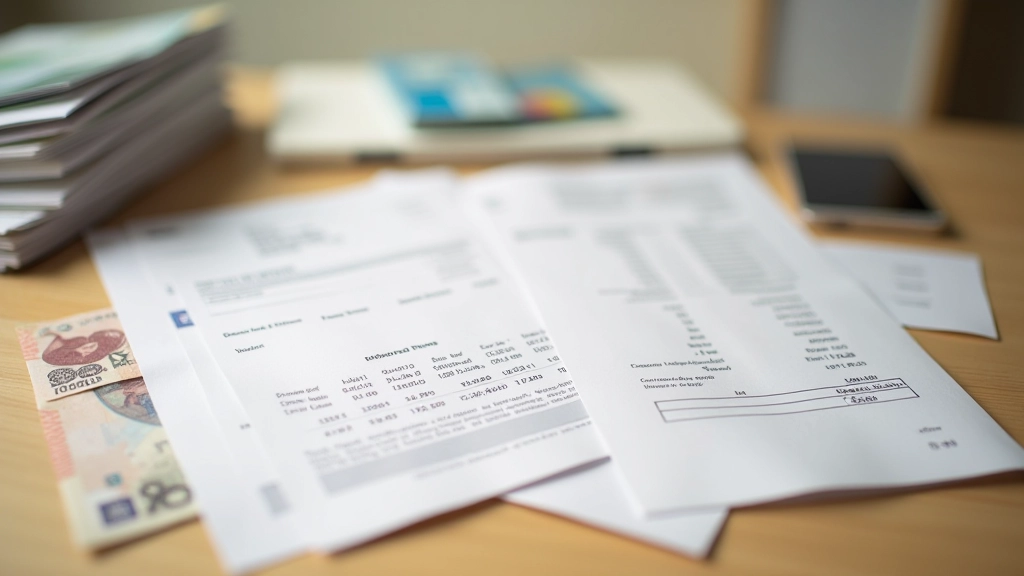

Stacks of Hong Kong dollar notes with bank cards and financial documents on desk, organized neatly with natural light
Laptop screen showing online banking dashboard with account balances, transactions, and transfer options clearly visible

Types of Accounts Explained

Most banks offer three basic account types, and understanding the differences saves you money.

This article is educational information about banking systems and accounts in Hong Kong. It’s not financial advice. Interest rates, fees, and regulations change regularly. Always check directly with your bank for current rates and terms before making decisions. If you need personalized financial guidance, consult a licensed financial advisor.

Understanding Interest and Fees

Interest is what the bank pays you for letting them use your money. But here’s the thing — most banks in Hong Kong pay almost nothing right now. A HK$100,000 savings account earning 0.5% annually makes you HK$500 per year. That’s about HK$41 per month. Not exactly life-changing.

Pro tip: Compare interest rates across banks. Even a difference from 0.3% to 0.8% compounds over time. Over 5 years on HK$100,000, that extra 0.5% nets you an extra HK$2,500.

Fees are where banks make money from you. Maintenance fees (HK$100-300 monthly if you don’t meet requirements), ATM fees outside your network, wire transfer fees, overdraft fees — they add up. Some accounts waive fees if you maintain a minimum balance. Read the fee schedule before opening an account. Many people pay hundreds annually without realizing it.

Calculator and pen next to financial spreadsheet showing interest calculations and fee breakdowns
Young professional reviewing bank statements at home office, checking account details and understanding banking documents

Practical Steps to Take Now

You don’t need to become a banking expert. Just take these basic steps:

  1. Review your current accounts. Call your bank and ask what fees you’re paying monthly. Most people don’t know. If you’re paying HK$150/month maintenance on an account you barely use, that’s HK$1,800 yearly.
  2. Check interest rates. Your HK$50,000 savings sitting at 0.2% could move to an account earning 0.8%. That’s an extra HK$300 yearly for literally zero effort.
  3. Understand your statements. When you get your bank statement, actually read it. Know where your money’s going. This is boring but genuinely useful.
  4. Ask questions. Banks don’t volunteer information. If you don’t understand a fee or charge, ask. They have to explain it.

That’s genuinely all you need. You’re not managing an investment portfolio. You’re just making sure your bank isn’t nickeling-and-diming you while your money sits idle.

The Bottom Line

Banks work because they take your money and lend it out at higher rates. You get a tiny cut through interest. The relationship works fine as long as you understand the terms and watch for fees. Hong Kong’s banking system is stable and regulated — your deposits are protected.

You don’t need to overthink this. Just know what account you’re using, what you’re paying in fees, and what you’re earning in interest. That knowledge puts you ahead of most people. Banking fundamentals aren’t rocket science. They’re just about paying attention to details that banks would rather you ignore.

Want to build on these basics? Explore our other financial literacy guides.

Read: Building Healthy Money Habits
Vincent Lam, Senior Financial Literacy Editor

Vincent Lam

Senior Financial Literacy Editor

Vincent Lam is a Senior Financial Literacy Editor with 12+ years of experience in financial education and consumer advocacy across Hong Kong’s banking and financial sectors.